
The Hidden Patterns Behind Nutrient Deficiencies and Chronic Diseases
Uncovering the overlooked signals that link dietary habits to long-term health outcomes
Women’s health is facing an unprecedented crisis as hormonal imbalances continue to rise, affecting millions worldwide. The symptoms are diverse, ranging from mood swings and fatigue to irregular periods and infertility.
This growing concern has sparked intense debate among health professionals, with many questioning the underlying causes of this trend.
One thing is certain: hormonal imbalance is not just a minor issue; it’s a complex condition that can have far-reaching consequences on a woman’s quality of life.
The impact is not limited to physical health; mental well-being is also significantly affected, leading to anxiety, depression, and decreased productivity.
Hormonal imbalance has been a longstanding issue, but the recent surge in cases has raised alarm bells. Historically, women’s health has been shrouded in stigma, making it challenging to address issues like hormonal imbalance openly.
The cultural relevance of this topic cannot be overstated, as women’s health is intricately linked to societal expectations and norms.
The conversation around women’s health is evolving, with more women speaking out about their experiences and seeking support.
This shift towards openness is crucial in understanding the root causes of hormonal imbalance and developing effective solutions.

So, what’s driving this rise in hormonal imbalance? Research suggests that a combination of factors is at play, including environmental toxins, dietary changes, and lifestyle modifications.
The modern diet, characterized by high processed food intake and low nutrient consumption, is a significant contributor to hormonal disruption.
Additionally, stress and lack of sleep can also throw hormones out of balance, creating a perfect storm that can be challenging to navigate.
Understanding these factors is crucial in developing targeted interventions to mitigate the effects of hormonal imbalance.

The implications of hormonal imbalance are far-reaching, affecting not just individual women but also families and communities.
If left unchecked, hormonal imbalance can lead to long-term health consequences, including increased risk of chronic diseases like diabetes and cardiovascular disease.
Moreover, the emotional toll of hormonal imbalance should not be underestimated, as it can affect relationships, work-life balance, and overall well-being.
National Institutes of Health (NIH)
Harvard Health Publishing (Harvard Health)
Mayo Clinic (Mayo Clinic)
The Lancet (The Lancet)
Uncovering the overlooked signals that link dietary habits to long-term health outcomes
The unseen impact of daily routines on women’s well-being and the science behind the struggle
How today’s habits shape tomorrow’s well-being: a closer look at the long-term effects
Explore all our analyses in depth and check out the latest scientific discoveries and health highlights on our website.




Can a meticulously crafted natural formula like ProNail Complex really support healthy toenails? Let's delve into its ingredients, benefits, and user reviews to find out.




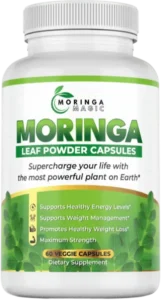
Is Moringa Magic the ultimate superfood supplement? With a plethora of health benefits claimed, it's time to delve into the science and separate fact from fiction.