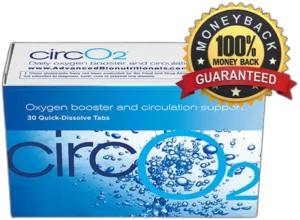
Rethinking the Role of Supplements in Modern Nutrition
A closer look at the science behind nutraceuticals and their impact on overall health
Acne is often viewed as a superficial issue, a mere cosmetic concern that can be addressed with topical treatments and skincare routines. However, this perspective overlooks the intricate web of factors that contribute to acne, from hormonal fluctuations to nutritional deficiencies.
The prevalence of acne is staggering, affecting millions worldwide, yet the underlying causes remain poorly understood.
Many individuals struggle with persistent acne, despite trying various treatments, leaving them frustrated and disillusioned.
The complexity of acne lies not just in its physical manifestations but also in its emotional toll.
Historically, acne has been associated with puberty, but its impact extends far beyond adolescence.
Acne can affect individuals of all ages, and its presence can have significant psychological and social implications.
The cultural narrative surrounding acne often perpetuates stigma, further exacerbating the emotional burden.
Understanding the historical and cultural context of acne is crucial in addressing the issue comprehensively.

Research suggests that acne is not just a skin condition but a multifaceted issue influenced by various factors, including genetics, hormonal balance, and lifestyle choices.
The role of nutrition in acne development is particularly noteworthy, with certain dietary patterns and nutrients potentially exacerbating or alleviating symptoms.
For instance, a diet high in processed foods and sugar may contribute to inflammation, while a balanced diet rich in fruits, vegetables, and omega-3 fatty acids may help mitigate acne.
The interplay between nutrition, hormones, and skin health is complex, and a deeper understanding of these relationships is essential in developing effective treatments.

The implications of acne extend far beyond the physical realm, affecting an individual’s quality of life, self-esteem, and mental health.
Effective management of acne requires a holistic approach, incorporating lifestyle modifications, nutritional interventions, and, when necessary, medical treatments.
By adopting a comprehensive strategy, individuals can better manage acne and improve their overall well-being.
National Institutes of Health (NIH)
Harvard Health Publishing (Harvard Health)
Mayo Clinic (Mayo Clinic)
A closer look at the science behind nutraceuticals and their impact on overall health
A closer look at the factors that hinder your progress and how to overcome them
A deep dive into the often-overlooked nutritional and lifestyle factors affecting women’s well-being, and the
Explore all our analyses in depth and check out the latest scientific discoveries and health highlights on our website.
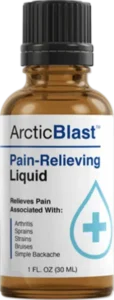
Is Arctic Blast the solution to your chronic pain? Let's dive into the facts and separate the hype from the truth. With claims of being 500% more effective than painkillers, it's time to investigate.

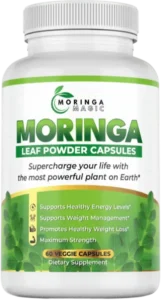
Is Moringa Magic the ultimate superfood supplement? With a plethora of health benefits claimed, it's time to delve into the science and separate fact from fiction.