The Paradox of Men’s Health: Unraveling Conflicting Dietary Advice
A closer look at the often-contradictory guidance on nutrition and wellness for men, and the
Low testosterone, or hypogonadism, affects millions of men worldwide, yet it remains shrouded in misconception and stigma. The condition is often misunderstood as a natural part of aging, rather than a legitimate health issue.
The symptoms can be subtle, ranging from fatigue and decreased libido to more pronounced effects like erectile dysfunction and loss of muscle mass.
Despite its prevalence, many men suffer in silence, unaware that their struggles could be linked to a treatable condition.
Research indicates that low testosterone can have far-reaching consequences on a man’s quality of life, affecting not just physical health but also mental well-being.
Historically, the understanding of testosterone and its role in men’s health has evolved significantly. Once viewed primarily as a sex hormone, testosterone is now recognized for its multifaceted influence on overall health.
Cultural perceptions of masculinity and aging have also played a role in shaping the narrative around low testosterone.
The condition has been stigmatized, with some viewing it as a sign of weakness or failure.
This stigma can prevent men from seeking medical help, exacerbating the issue.

The causes of low testosterone are varied, including primary hypogonadism, where the testes fail to produce sufficient testosterone, and secondary hypogonadism, resulting from issues with the pituitary gland or hypothalamus.
Other factors such as obesity, diabetes, and certain medications can also contribute to the development of low testosterone.
Diagnosis typically involves a combination of physical examination, medical history, and laboratory tests to measure testosterone levels.
Treatment options range from lifestyle modifications and nutritional supplements to hormone replacement therapy.

The implications of untreated low testosterone can be significant, affecting not just the individual but also their loved ones.
Men with low testosterone are at a higher risk of developing osteoporosis, cardiovascular disease, and depression.
Conversely, addressing low testosterone can lead to improvements in overall health and quality of life.
National Institutes of Health (NIH)
Mayo Clinic
Harvard Health Publishing
A closer look at the often-contradictory guidance on nutrition and wellness for men, and the
Unraveling the intricacies of hormonal balance and its far-reaching implications on overall well-being
As we increasingly adopt habits that involve prolonged sitting, the implications on our health are
Explore all our analyses in depth and check out the latest scientific discoveries and health highlights on our website.







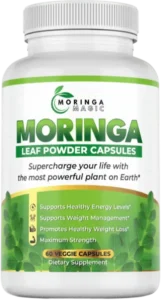
Is Moringa Magic the ultimate superfood supplement? With a plethora of health benefits claimed, it's time to delve into the science and separate fact from fiction.

Can Sumatra Slim Belly Tonic really help with weight loss? Let's dive into the ingredients, benefits, and potential drawbacks to find out.