
The Hidden Dangers of Delayed Effects in Nutrition
Uncovering the Normalization Breakdown: How Our Bodies Adapt to Unhealthy Habits
Many individuals embark on a fitness journey with high hopes, only to find their progress hindered by unseen forces. A closer examination reveals that the issue often lies not with the exercise or diet itself, but with the underlying behavioral patterns that dictate our daily choices.
The struggle to maintain a consistent fitness routine is a common phenomenon, with numerous factors contributing to this challenge. It’s not just about willpower; it’s about understanding the complex interplay between our habits, environment, and physiological responses.
Research has shown that our behaviors are influenced by a multitude of factors, including our surroundings, emotional state, and past experiences. This intricate web of influences can either support or undermine our efforts to adopt healthier habits.
For instance, a person may have the best intentions to start a new exercise regimen, but if their environment is not conducive to this change – for example, if they live in an area with limited access to safe outdoor spaces or have a demanding work schedule that leaves little time for physical activity – their efforts are likely to be thwarted.
The concept of behavioral patterns and their impact on our health and fitness goals is not new. Historically, humans have adapted their behaviors in response to their environment, often driven by the need to survive. In modern times, this adaptability can be both a blessing and a curse, as our environments are often designed in ways that discourage physical activity and encourage overconsumption of high-calorie foods.
Culturally, the emphasis on quick fixes and rapid weight loss can further complicate matters, leading individuals to adopt unsustainable practices that may yield short-term results but ultimately result in disappointment and frustration.
Understanding the historical and cultural context of our behaviors can provide valuable insights into why we make certain choices and how we can work to change them.
By acknowledging the role of our environment and cultural influences, we can begin to develop strategies that are more in tune with our natural behaviors and more likely to lead to lasting change.
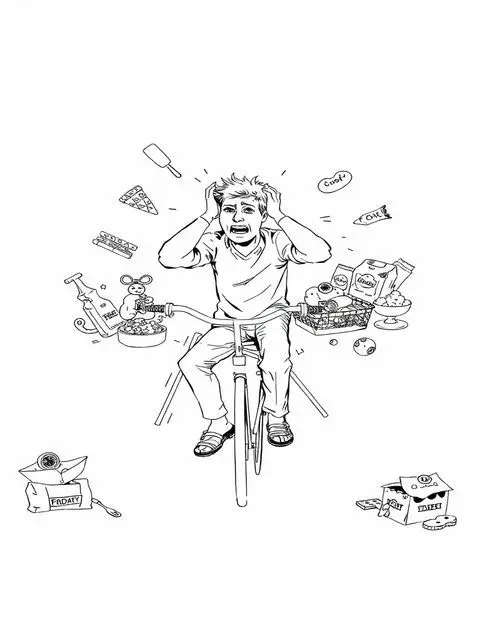
From a behavioral perspective, the key to successful weight loss and fitness is not about making drastic changes, but rather about making small, incremental adjustments that can be sustained over time. This might involve identifying and challenging negative thought patterns, building a supportive social network, or finding ways to make physical activity more enjoyable and rewarding.
It’s also crucial to understand the physiological responses that underlie our behaviors. For example, the role of hunger hormones, such as ghrelin and leptin, in regulating our appetite and metabolism can have a significant impact on our ability to stick to a diet or exercise plan.
By gaining a deeper understanding of these physiological processes and how they interact with our behavioral patterns, we can develop more effective strategies for achieving our fitness goals.
This might involve incorporating certain nutrients or supplements into our diet that support our physiological needs, or finding ways to manage stress and other emotional factors that can influence our behaviors.

The implications of understanding behavioral patterns in the context of fitness and weight loss are far-reaching. By adopting a more nuanced and informed approach to our health and wellness goals, we can work towards creating a more sustainable and balanced lifestyle.
This, in turn, can have a positive impact on our overall well-being, reducing the risk of chronic diseases and improving our mental health and resilience.
Key takeaways from this approach include:
National Institutes of Health (NIH)
Harvard Health Publishing (Harvard Health)
Mayo Clinic (Mayo Clinic)
Uncovering the Normalization Breakdown: How Our Bodies Adapt to Unhealthy Habits
Uncovering the Behavioral Patterns that Sabotage Our Weight Loss Efforts
A closer look at the unexpected ways our everyday habits impact our health
Explore all our analyses in depth and check out the latest scientific discoveries and health highlights on our website.










Is Moringa Magic the ultimate superfood supplement? With a plethora of health benefits claimed, it's time to delve into the science and separate fact from fiction.


Does live up to its claims of reversing muscle loss and strengthening muscle? Let's dive into the ingredients, benefits, and customer testimonials to find out if this supplement is worth considering.