
The Complex Truth Behind Men’s Health: Unraveling the Cause-and-Effect Chain
Beyond the Simplification: Understanding the Intricacies of Men’s Wellness
The pursuit of beauty and wellness is a multi-billion-dollar industry, with countless products and treatments promising to enhance our appearance and improve our health. However, the sheer volume of conflicting advice can be overwhelming, leaving many of us wondering what is truly effective and safe.
From skincare routines to dietary supplements, the beauty industry is rife with misinformation and unsubstantiated claims. As consumers, it’s essential to separate fact from fiction and understand the potential long-term tradeoffs associated with our beauty care choices.
One of the most significant challenges is the lack of regulation in the beauty industry, which allows products with unproven or potentially hazardous ingredients to flood the market.
The consequences of this can be severe, ranging from skin irritation and allergic reactions to more serious health problems.
The concept of beauty and its relationship to health has been debated for centuries, with ancient civilizations prizing certain physical characteristics as symbols of status, spirituality, or fertility.
In modern times, the beauty industry has evolved to encompass a vast array of products and treatments, from cosmetics and skincare to hair care and wellness supplements.
Despite the industry’s growth, concerns about the safety and efficacy of beauty products have persisted, with many consumers seeking guidance from healthcare professionals, online reviews, and social media influencers.
The cultural significance of beauty and the pressure to conform to certain standards can have a profound impact on our mental and emotional well-being.
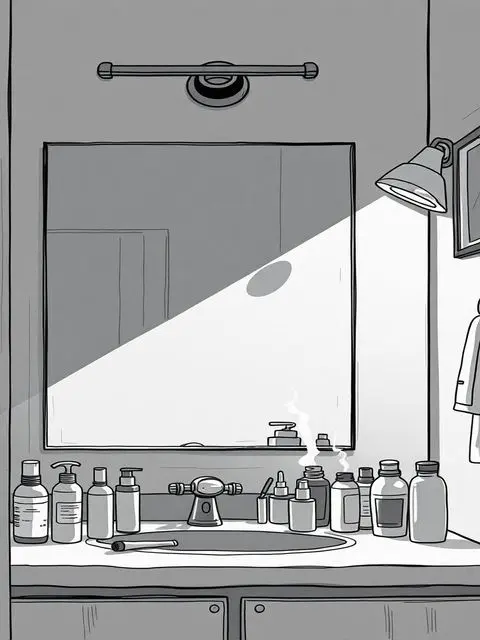
The long-term tradeoffs associated with beauty care routines can be significant, particularly when it comes to the use of harsh chemicals, excessive sun exposure, or restrictive dieting.
For example, certain skincare products containing retinoids or alpha-hydroxy acids can increase the risk of skin irritation, dryness, or even skin cancer.
Similarly, the use of hair dyes or styling products containing harsh chemicals can lead to hair loss, scalp irritation, or other adverse effects.
Furthermore, the pursuit of an unrealistic beauty ideal can lead to body dissatisfaction, low self-esteem, and disordered eating behaviors.

The long-term implications of our beauty care choices can be far-reaching, affecting not only our physical health but also our mental and emotional well-being.
By making informed choices and adopting a balanced approach to beauty care, we can mitigate potential risks and promote overall wellness.
Key takeaways include:
National Institutes of Health (NIH)
Mayo Clinic
Harvard Health
Beyond the Simplification: Understanding the Intricacies of Men’s Wellness
Uncovering the Behavioral Patterns that Sabotage Our Weight Loss Efforts
Unraveling the Complexities of Modern Diet and Its Impact on Health
Explore all our analyses in depth and check out the latest scientific discoveries and health highlights on our website.



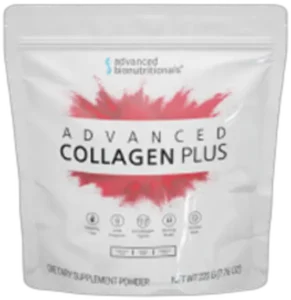
Does Advanced Collagen live up to its claims of improving skin, hair, and joint health? Let's dive into the ingredients, benefits, and customer reviews to find out.


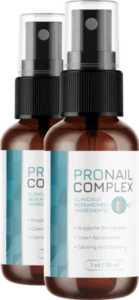
Can a meticulously crafted natural formula like ProNail Complex really support healthy toenails? Let's delve into its ingredients, benefits, and user reviews to find out.

Can Sumatra Slim Belly Tonic really help with weight loss? Let's dive into the ingredients, benefits, and potential drawbacks to find out.