
Uncovering Hidden Signs of Men’s Health
The Overlooked Signal That Could Change Everything
The way we produce food has a profound impact on our health, and it’s not just about the nutritional content of the food itself.
Industrial agriculture, with its reliance on chemical pesticides, synthetic fertilizers, and monoculture farming, has been linked to a range of negative environmental outcomes, from soil degradation to water pollution.
But what’s often overlooked is the impact of these practices on human nutrition.
Research has shown that the nutritional quality of food is closely tied to the health of the soil, the biodiversity of the ecosystem, and the farming practices used to produce it.
For instance, crops grown in nutrient-poor soil may be lower in essential vitamins and minerals.
This raises important questions about the long-term sustainability of our food systems and the impact on human health.
The shift towards industrial agriculture has been driven by the need to feed a growing global population.
However, this approach to farming has come at a cost, with many traditional farming practices being replaced by more intensive and chemical-dependent methods.
The consequences of this shift are far-reaching, with impacts on ecosystems, biodiversity, and human health.
In many parts of the world, the loss of traditional farming practices has also led to a decline in the nutritional quality of food.
This is particularly concerning in regions where access to nutrient-rich food is already limited.
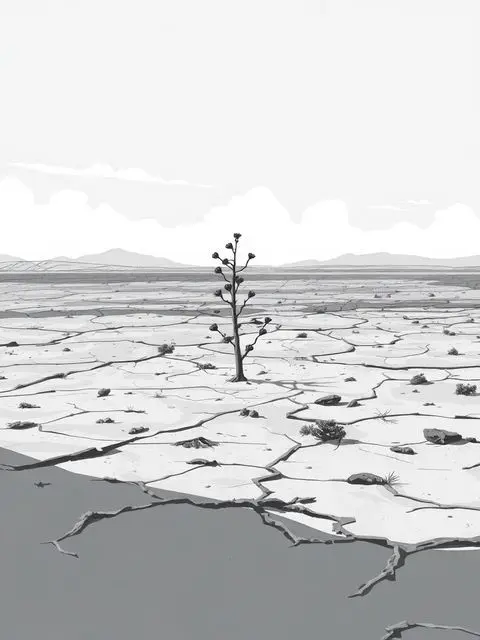
The link between industrial agriculture and human nutrition is complex, involving multiple factors and pathways.
For example, the use of chemical pesticides and synthetic fertilizers can contaminate soil, water, and air, with potential health impacts for those consuming food produced using these methods.
Additionally, the loss of biodiversity associated with monoculture farming can reduce the nutritional diversity of food, making it less likely to provide the range of essential nutrients needed for optimal health.
Understanding these connections is crucial for developing more sustainable and nutritious food systems.
This requires a holistic approach, taking into account the environmental, social, and economic impacts of different farming practices.
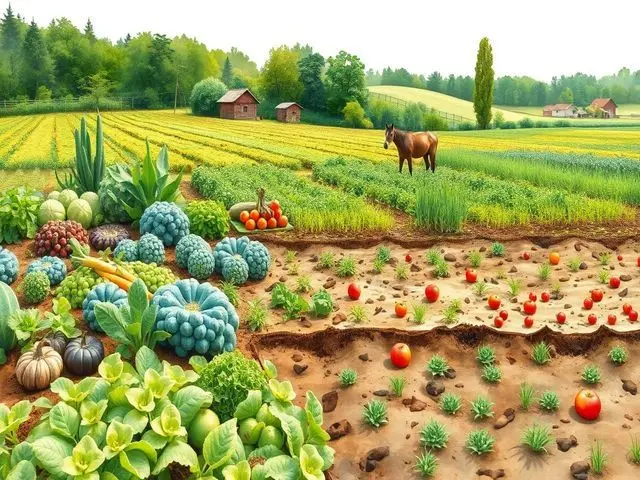
The implications of industrial agriculture on human nutrition are far-reaching, with potential consequences for public health, environmental sustainability, and the economy.
Addressing these challenges will require a multifaceted approach, involving changes to farming practices, food systems, and consumer behavior.
Some key takeaways from this discussion include:
National Institutes of Health (NIH)
Harvard Health Publishing (Harvard Health)
Centers for Disease Control and Prevention (CDC)
PubMed
The Overlooked Signal That Could Change Everything
A closer look at the unexpected ways our everyday habits impact our health
Unraveling the counterintuitive link between exercise and nutrition, a deeper dive into the unseen challenges
Explore all our analyses in depth and check out the latest scientific discoveries and health highlights on our website.


Does Advanced Collagen live up to its claims of improving skin, hair, and joint health? Let's dive into the ingredients, benefits, and customer reviews to find out.



Can Sumatra Slim Belly Tonic really help with weight loss? Let's dive into the ingredients, benefits, and potential drawbacks to find out.


Can a meticulously crafted natural formula like ProNail Complex really support healthy toenails? Let's delve into its ingredients, benefits, and user reviews to find out.




Is Arctic Blast the solution to your chronic pain? Let's dive into the facts and separate the hype from the truth. With claims of being 500% more effective than painkillers, it's time to investigate.

Does live up to its claims of reversing muscle loss and strengthening muscle? Let's dive into the ingredients, benefits, and customer testimonials to find out if this supplement is worth considering.