Uncovering the Hidden Cause of Normalization Breakdown in Health
The Unseen Forces Behind the Erosion of Healthy Habits and What It Means for Your
The intricate dance of hormones within the female body is often shrouded in mystery, leading to a plethora of misconceptions about women’s health. One of the most pervasive myths is that hormonal imbalances are solely the result of ‘natural’ processes, such as menopause or menstruation.
However, this oversimplification neglects the complex interplay between hormones, nutrition, and lifestyle factors that can significantly impact hormonal balance.
For instance, the role of diet in modulating hormonal responses is often underestimated, with certain foods and nutrients having a profound effect on hormone production and regulation.
A closer examination of the scientific literature reveals that hormonal imbalances are not just a natural part of life, but can be influenced by a multitude of factors, including environmental toxins, stress, and nutritional deficiencies.
The concept of hormonal balance has been a topic of interest for centuries, with ancient civilizations recognizing the importance of hormonal regulation in maintaining overall health.
In modern times, the rise of endocrine-disrupting chemicals (EDCs) in our environment has been linked to an increased incidence of hormonal imbalances, highlighting the need for a more nuanced understanding of the complex factors at play.
Cultural perceptions of women’s health have also played a significant role in shaping our understanding of hormonal imbalances, with certain symptoms being dismissed as ‘normal’ or ‘expected’.
A more informed approach to women’s health requires a deeper understanding of the complex interplay between hormones, nutrition, and lifestyle factors.

The relationship between diet and hormonal balance is multifaceted, with certain nutrients playing a crucial role in hormone production and regulation.
For example, omega-3 fatty acids have been shown to support the production of anti-inflammatory prostaglandins, which can help to regulate hormonal responses.
Conversely, a diet high in processed foods and sugar can lead to insulin resistance, a precursor to hormonal imbalances.
The importance of a balanced diet in maintaining hormonal balance cannot be overstated, with a growing body of evidence highlighting the need for a more personalized approach to nutrition.

As our understanding of the complex factors influencing hormonal balance evolves, it is clear that a more holistic approach to women’s health is needed.
This requires a shift away from the traditional ‘one-size-fits-all’ approach to health, towards a more personalized and nuanced understanding of the complex interplay between hormones, nutrition, and lifestyle factors.
Key takeaways from this approach include:
National Institutes of Health (NIH)
Harvard Health Publishing (Harvard Health)
Mayo Clinic (Mayo Clinic)
PubMed (PubMed)
The Unseen Forces Behind the Erosion of Healthy Habits and What It Means for Your
Uncovering the Normalization Breakdown: How Our Bodies Adapt to Unhealthy Habits
Unraveling the complexities of dietary recommendations and their impact on our well-being
Explore all our analyses in depth and check out the latest scientific discoveries and health highlights on our website.





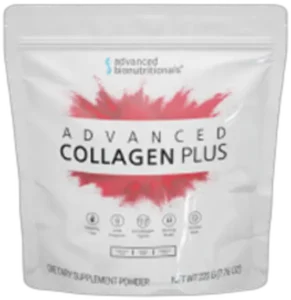
Does Advanced Collagen live up to its claims of improving skin, hair, and joint health? Let's dive into the ingredients, benefits, and customer reviews to find out.