
Unraveling the Complexities of Women’s Hormonal Health
Delving into the intricacies of hormonal balance and its far-reaching implications on women’s overall well-being
A growing body of evidence suggests that our increasingly sedentary lifestyles are having a profound impact on our overall health and wellbeing.
With many of us spending hours each day sitting at desks, in front of screens, or engaging in other low-activity pursuits, the risks associated with a lack of physical activity are becoming more apparent.
The consequences of inactivity can be severe, ranging from an increased risk of chronic diseases like heart disease and diabetes, to a higher likelihood of mental health issues such as depression and anxiety.
Despite the clear risks, many of us are struggling to make meaningful changes to our daily habits, often due to a lack of understanding about the complex interplay between our modern lifestyles and our nutritional needs.
The shift towards more sedentary lifestyles is a relatively recent phenomenon, driven by changes in the way we work, travel, and spend our leisure time.
Historically, humans were much more physically active, with daily life requiring a significant amount of movement and exertion.
Today, however, many of us are able to go about our daily lives with minimal physical activity, often relying on technology and automation to reduce the need for manual labor.
While this shift has brought many benefits, it has also had a profound impact on our overall health, with many people now spending up to 12 hours or more per day sitting down.
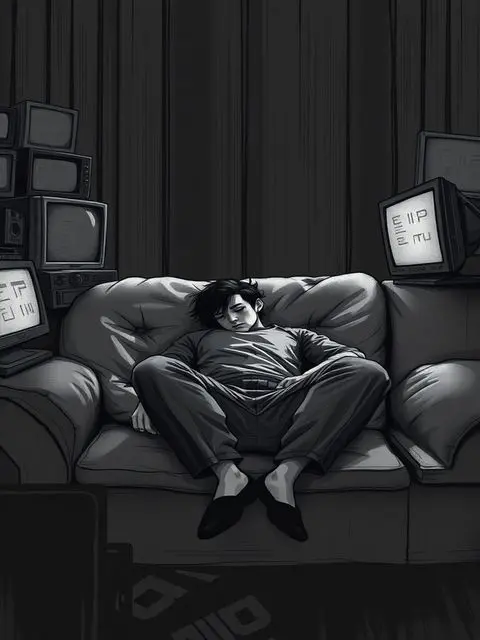
The risks associated with a sedentary lifestyle are complex and multifaceted, involving a range of physiological and biochemical changes that can have a profound impact on our overall health.
When we are inactive, our bodies undergo a range of changes, including a reduction in insulin sensitivity, changes to our lipid profiles, and a decrease in our cardiovascular health.
At the same time, a lack of physical activity can also have a significant impact on our mental wellbeing, with many people experiencing increased levels of stress, anxiety, and depression.
Understanding the complex interplay between our modern lifestyles and our nutritional needs is key to mitigating these risks and promoting overall health and wellbeing.

As we move forward, it is clear that a comprehensive approach to health and wellbeing will be essential, one that takes into account the complex interplay between our modern lifestyles and our nutritional needs.
By understanding the risks associated with a sedentary lifestyle, we can begin to make meaningful changes to our daily habits, promoting overall health and wellbeing.
National Institutes of Health (NIH)
Centers for Disease Control and Prevention (CDC)
Harvard School of Public Health (HSPH)
World Health Organization (WHO)
Delving into the intricacies of hormonal balance and its far-reaching implications on women’s overall well-being
Unraveling the Complexities of Skin Health and Challenging Conventional Wisdom
A closer look at the normalized issues that impact our well-being and the science behind
Explore all our analyses in depth and check out the latest scientific discoveries and health highlights on our website.





Does live up to its claims of reversing muscle loss and strengthening muscle? Let's dive into the ingredients, benefits, and customer testimonials to find out if this supplement is worth considering.

Is Moringa Magic the ultimate superfood supplement? With a plethora of health benefits claimed, it's time to delve into the science and separate fact from fiction.