Uncovering the Hidden Patterns Behind Common Women’s Health Mistakes
A deep dive into the often-overlooked nutritional and lifestyle factors affecting women’s well-being, and the
The human body is designed for movement, yet modern lifestyles often contradict this fundamental aspect of our physiology. Prolonged periods of inactivity have become a staple of contemporary living, affecting our overall well-being in ways that are not immediately apparent.
Research has shown that a sedentary lifestyle is associated with an increased risk of various health problems, including cardiovascular disease, diabetes, and obesity. The mechanisms underlying these associations are complex and multifaceted, involving changes in metabolic function, insulin sensitivity, and vascular health.
One of the primary concerns is the impact of prolonged sitting on our metabolic health. When we are inactive, our bodies undergo a range of physiological changes that can have far-reaching consequences. For instance, the expression of certain genes involved in glucose and lipid metabolism is altered, leading to decreased insulin sensitivity and increased glucose levels in the blood.
Furthermore, a sedentary lifestyle can also affect our musculoskeletal health, leading to a loss of muscle mass and strength, as well as a decrease in bone density. This can increase the risk of osteoporosis and fractures, particularly in older adults.
The shift towards a more sedentary lifestyle is a relatively recent phenomenon, driven by changes in the way we work, travel, and spend our leisure time. The industrial revolution marked a significant turning point, as people began to move away from physically demanding occupations and towards more desk-based work.
The advent of technology has further accelerated this trend, with the widespread adoption of computers, smartphones, and other digital devices. While these innovations have brought many benefits, they have also contributed to a decline in physical activity, as people spend more time engaged in screen-based activities.
Cultural factors have also played a role in shaping our attitudes towards physical activity. In some societies, a sedentary lifestyle is seen as a status symbol, reflecting a high level of economic prosperity. Conversely, in other cultures, physical activity is viewed as a necessary aspect of daily life, with many people incorporating exercise into their daily routines.

The science is clear: regular physical activity is essential for maintaining optimal health. When we engage in exercise, our bodies undergo a range of physiological changes that can have a profound impact on our well-being. For example, exercise has been shown to improve insulin sensitivity, reduce inflammation, and enhance cardiovascular function.
One of the key mechanisms underlying the benefits of exercise is the release of certain signaling molecules, such as myokines, which are produced by skeletal muscle in response to physical activity. These molecules can have a range of effects, including improving glucose uptake in the muscles and reducing inflammation.
Despite the many benefits of exercise, many people struggle to incorporate physical activity into their daily lives. This can be due to a range of factors, including lack of time, motivation, or access to resources. As a result, it is essential to develop strategies that can help people overcome these barriers and adopt a more active lifestyle.

As we move forward, it is clear that adopting a more active lifestyle will be crucial for maintaining optimal health. This will require a multifaceted approach, incorporating strategies that promote physical activity, improve nutrition, and reduce sedentary behavior.
The implications of a sedentary lifestyle are far-reaching, with potential consequences for our cardiovascular health, metabolic function, and overall well-being. By understanding the risks and taking steps to mitigate them, we can work towards a healthier, more active future.
National Institutes of Health (NIH)
Centers for Disease Control and Prevention (CDC)
Harvard Health Publishing (HHP)
A deep dive into the often-overlooked nutritional and lifestyle factors affecting women’s well-being, and the
Uncovering the Complexities of Nutrition and Exercise in the Quest for a Healthier Body
Separating fact from fiction in the quest for a healthier digital lifestyle
Explore all our analyses in depth and check out the latest scientific discoveries and health highlights on our website.

Is Arctic Blast the solution to your chronic pain? Let's dive into the facts and separate the hype from the truth. With claims of being 500% more effective than painkillers, it's time to investigate.
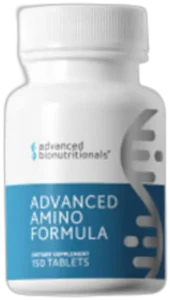
Does live up to its claims of reversing muscle loss and strengthening muscle? Let's dive into the ingredients, benefits, and customer testimonials to find out if this supplement is worth considering.
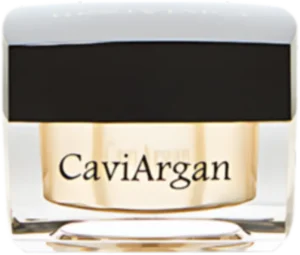




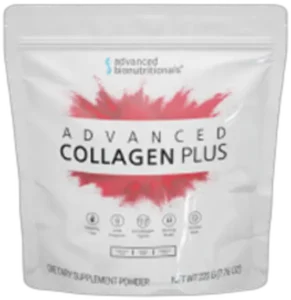
Does Advanced Collagen live up to its claims of improving skin, hair, and joint health? Let's dive into the ingredients, benefits, and customer reviews to find out.