
Uncovering Hidden Signs of Men’s Health
The Overlooked Signal That Could Change Everything
The world of nutrition is riddled with conflicting advice, leaving consumers bewildered and uncertain about the best dietary choices. This confusion stems from the complexity of nutritional science, the influence of various stakeholders, and the ever-evolving nature of research findings.
One day, a particular food is hailed as a superfood; the next, it’s vilified as a dietary villain. This whiplash effect can be attributed to the multifaceted nature of nutrition, where the same food can have both beneficial and detrimental effects depending on the context.
For instance, eggs were once considered a heart health risk due to their cholesterol content, but more recent studies have nuanced this view, highlighting the importance of overall dietary patterns rather than isolating individual foods.
The cacophony of dietary advice is further complicated by the plethora of sources providing guidance, from healthcare professionals and registered dietitians to social media influencers and celebrity endorsements.
The history of nutritional science is marked by paradigm shifts, as new evidence emerges and challenges prevailing wisdom. The pendulum has swung between various dietary fads, from low-fat to low-carb, and more recently, towards a focus on whole, unprocessed foods.
Cultural and societal factors also play a significant role in shaping dietary preferences and recommendations. Traditional diets, often characterized by a strong emphasis on whole, locally sourced foods, are being revisited as potential models for healthy eating.
The role of industry and commercial interests in shaping nutritional advice cannot be overlooked, as food manufacturers and supplement companies often promote products that align with their business interests.

At the heart of the conflicting advice is the complexity of human nutrition, which is influenced by a multitude of factors including genetics, lifestyle, and environmental exposures. Nutritional science seeks to understand how different dietary components interact with these factors to impact health outcomes.
The gold standard for nutritional research is the randomized controlled trial (RCT), but even RCTs have limitations, particularly when it comes to long-term dietary interventions. Observational studies, while not as robust, can provide valuable insights into the relationships between diet and disease.
The integration of data from various study types, including RCTs, observational studies, and mechanistic research, is crucial for developing a comprehensive understanding of nutritional science.

As our understanding of nutrition evolves, it’s clear that a one-size-fits-all approach to dietary advice is no longer tenable. Instead, personalized nutrition, tailored to an individual’s unique genetic, environmental, and lifestyle factors, is emerging as a promising approach.
The future of nutritional guidance lies in a more nuanced understanding of the complex interplay between diet, health, and disease.
National Institutes of Health (NIH)
Harvard School of Public Health (HSPH)
American Journal of Clinical Nutrition (AJCN)
The Lancet
The Overlooked Signal That Could Change Everything
Challenging the notion that diet has a minimal impact on skin conditions, we explore the
Uncovering the long-term tradeoffs of fad diets and exercise trends
Explore all our analyses in depth and check out the latest scientific discoveries and health highlights on our website.


Is Moringa Magic the ultimate superfood supplement? With a plethora of health benefits claimed, it's time to delve into the science and separate fact from fiction.
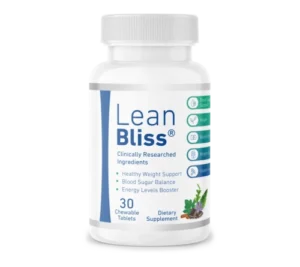
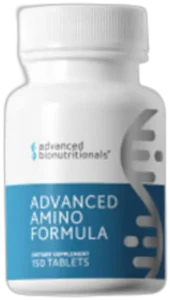
Does live up to its claims of reversing muscle loss and strengthening muscle? Let's dive into the ingredients, benefits, and customer testimonials to find out if this supplement is worth considering.