The Hidden Dangers of Delayed Effects in Nutrition
Uncovering the Normalization Breakdown: How Our Bodies Adapt to Unhealthy Habits
The pursuit of fitness is often viewed as a straightforward equation: exercise plus diet equals results. However, the reality is far more complex, with many individuals struggling to achieve their goals despite regular workouts and seemingly healthy eating habits.
This disparity between expectation and outcome is not just frustrating; it’s also a sign of a deeper issue. The relationship between exercise and nutrition is intricate, with each influencing the other in subtle yet significant ways.
For instance, a person may be exercising regularly, but if their diet is not tailored to their specific nutritional needs, they may not be fueling their body adequately for optimal performance and recovery.
This can lead to a range of issues, from decreased energy levels and impaired muscle function to increased risk of injury and illness.
Historically, the focus on fitness and nutrition has evolved significantly, with an increasing recognition of the importance of a holistic approach that encompasses both physical activity and dietary habits.
The cultural relevance of fitness and nutrition cannot be overstated, with the modern obsession with health and wellness driving a multibillion-dollar industry.
Despite this, there remains a significant gap between the idealized fitness goals presented in media and the often messy, complex reality faced by individuals seeking to improve their health and wellbeing.
This disconnect is further complicated by the proliferation of fad diets and quick-fix exercise programs, which often fail to deliver sustainable results.

A key factor in this struggle is the often-overlooked role of nutrition in supporting exercise goals. While exercise is crucial for physical health, nutrition plays a equally vital role in providing the body with the necessary fuel for optimal performance and recovery.
Research has shown that a diet lacking in essential nutrients can significantly impair exercise performance and hinder progress towards fitness goals.
Furthermore, different types of exercise require different nutritional approaches, with endurance activities, for example, requiring a different balance of macronutrients compared to strength training.
Understanding these nuances is crucial for developing an effective fitness plan that incorporates both exercise and nutrition.

The implications of neglecting the nutritional aspect of fitness are far-reaching, with potential consequences including decreased motivation, reduced progress towards goals, and increased risk of injury or illness.
Conversely, a well-informed approach to nutrition can have a transformative impact on fitness outcomes.
National Institutes of Health (NIH)
Harvard Health Publishing (Harvard Health)
Mayo Clinic (Mayo Clinic)
Uncovering the Normalization Breakdown: How Our Bodies Adapt to Unhealthy Habits
The delayed effects of certain ingredients can be detrimental to our overall health and well-being
Unraveling the complex relationship between beauty care routines and overall well-being, a closer look at
Explore all our analyses in depth and check out the latest scientific discoveries and health highlights on our website.





Does live up to its claims of reversing muscle loss and strengthening muscle? Let's dive into the ingredients, benefits, and customer testimonials to find out if this supplement is worth considering.
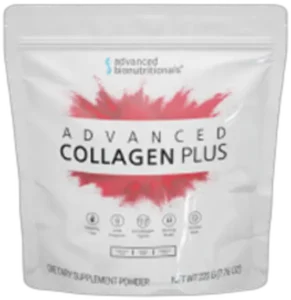
Does Advanced Collagen live up to its claims of improving skin, hair, and joint health? Let's dive into the ingredients, benefits, and customer reviews to find out.