Unraveling the Complex Link Between Nutrition and Skin Health
Challenging the notion that diet has a minimal impact on skin conditions, we explore the
The conversation around testosterone levels has become increasingly prominent, with many men seeking answers to their struggles with low energy, decreased libido, and overall well-being. However, the narrative often focuses on the symptoms rather than the underlying causes.
It’s essential to understand that testosterone is not just a hormone; it’s a critical component of men’s health, influencing everything from muscle mass and bone density to mental acuity and emotional balance.
Despite its importance, the factors contributing to low testosterone are multifaceted and often misunderstood.
Research suggests that lifestyle, environmental, and nutritional factors all play a role in testosterone production.
Historically, testosterone levels have been linked to aging, with a natural decline expected as men grow older. However, this narrative oversimplifies the issue, as many younger men are also experiencing low testosterone.
The cultural relevance of masculinity and the stigma surrounding men’s health issues have contributed to a lack of open discussion around testosterone and its impact on men’s lives.
Understanding the historical and cultural context is crucial in addressing the complexities surrounding testosterone.
It’s also important to recognize the role of societal pressures and expectations on men’s health.
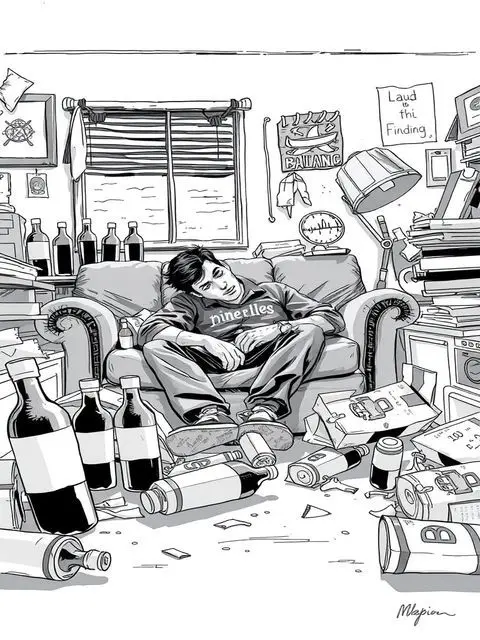
One of the primary hidden causes of low testosterone is the presence of endocrine disruptors in our environment. These chemicals, found in plastics, pesticides, and certain personal care products, can interfere with hormone production, including testosterone.
Nutritional deficiencies, particularly in zinc, vitamin D, and omega-3 fatty acids, also play a significant role in testosterone production.
The impact of stress and cortisol levels on testosterone cannot be overstated, as chronically elevated cortisol can disrupt the body’s natural balance.
Furthermore, certain medications and health conditions can also affect testosterone levels.

The implications of low testosterone extend far beyond the physical realm, affecting mental health, relationships, and overall quality of life.
Addressing the hidden causes of low testosterone requires a comprehensive approach that includes lifestyle changes, nutritional adjustments, and, when necessary, medical intervention.
National Institutes of Health (NIH)
Mayo Clinic
Harvard Health Publishing
Challenging the notion that diet has a minimal impact on skin conditions, we explore the
Unraveling the Complexities of Skin Health and Challenging Conventional Wisdom
Uncovering the ecological footprint of weight management and exercise trends
Explore all our analyses in depth and check out the latest scientific discoveries and health highlights on our website.





Can a meticulously crafted natural formula like ProNail Complex really support healthy toenails? Let's delve into its ingredients, benefits, and user reviews to find out.



Does Advanced Collagen live up to its claims of improving skin, hair, and joint health? Let's dive into the ingredients, benefits, and customer reviews to find out.