Uncovering Hidden Patterns in Daily Nutrition and Wellness
A closer look at the unexpected ways our everyday habits impact our health
The relationship between menstrual cycle irregularities and overall health is complex, often leaving women unaware of the potential long-term consequences.
Hormonal fluctuations can have far-reaching effects, extending beyond reproductive health to impact overall quality of life.
Understanding the intricate dynamics between hormonal balances and menstrual cycles is crucial for mitigating potential risks.
The delayed effects of menstrual irregularities can be particularly insidious, making it essential to address these issues proactively.
Historically, women’s health has been stigmatized, leading to a lack of comprehensive research on menstrual cycle-related issues.
The cultural significance of menstruation varies globally, influencing how women perceive and address menstrual irregularities.
As awareness grows, so does the need for in-depth exploration of the complex interplay between hormonal balances, menstrual cycles, and overall health.
This shift towards a more nuanced understanding is critical for developing effective support systems.

The delayed effects of menstrual cycle irregularities can manifest in various ways, including changes in metabolic rates, mood disturbances, and increased risk of osteoporosis.
Hormonal imbalances, particularly those involving estrogen and progesterone, play a pivotal role in these developments.
Research has shown that irregular menstrual cycles can be an indicator of underlying health issues, such as polycystic ovary syndrome (PCOS) or thyroid disorders.
Addressing these imbalances requires a multifaceted approach, incorporating nutritional adjustments, lifestyle modifications, and, when necessary, medical intervention.

The long-term implications of delayed menstrual cycle effects can be significant, impacting not only reproductive health but also overall well-being.
Women experiencing irregular menstrual cycles may face increased risks of cardiovascular disease, diabetes, and certain cancers.
A proactive approach to managing menstrual health can mitigate these risks.
Key takeaways include:
National Institutes of Health (NIH)
Mayo Clinic
Harvard Health Publishing
PubMed
A closer look at the unexpected ways our everyday habits impact our health
Uncovering the Complexities of Nutrition and Exercise in the Quest for a Healthier Body
A closer look at the normalization breakdown in the weight and fitness industry, and the
Explore all our analyses in depth and check out the latest scientific discoveries and health highlights on our website.






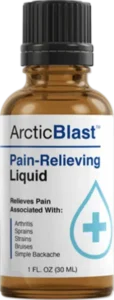
Is Arctic Blast the solution to your chronic pain? Let's dive into the facts and separate the hype from the truth. With claims of being 500% more effective than painkillers, it's time to investigate.

Can a meticulously crafted natural formula like ProNail Complex really support healthy toenails? Let's delve into its ingredients, benefits, and user reviews to find out.