The Science Behind Skin Renewal: Separating Fact from Fiction
Uncovering the truth about skin rejuvenation and the role of nutrition in achieving healthy, glowing
Hormonal imbalance is a pervasive issue affecting millions of women worldwide, often manifesting in a multitude of symptoms that can be both debilitating and confusing.
Many women struggle to understand the underlying causes of their condition, and are instead presented with a myriad of treatment options that may not address the root of the problem.
The interplay between hormones, nutrition, and lifestyle is complex, and a deeper understanding of these factors is crucial in addressing hormonal imbalance.
By examining the intricate relationships between hormonal fluctuations, dietary choices, and overall health, we can begin to unravel the mysteries surrounding this condition.
Hormonal imbalance has been a longstanding issue throughout history, with women often being misdiagnosed or undertreated for their symptoms.
The cultural significance of hormonal balance cannot be overstated, with many traditional practices placing a strong emphasis on maintaining equilibrium.
In modern times, the rise of processed foods and fast-paced lifestyles has led to an increase in hormonal imbalances, as the body struggles to cope with the demands placed upon it.
A comprehensive understanding of the historical and cultural context of hormonal imbalance is essential in addressing this complex issue.

The causes of hormonal imbalance are multifaceted, involving a delicate interplay between genetic, environmental, and lifestyle factors.
Diet plays a crucial role, with certain foods and nutrients having a profound impact on hormonal balance.
For example, a diet rich in omega-3 fatty acids and fiber can help to regulate hormonal fluctuations, while a diet high in processed foods and sugar can exacerbate the issue.
Furthermore, stress and lifestyle factors, such as lack of sleep and exercise, can also contribute to hormonal imbalance.

The implications of hormonal imbalance are far-reaching, with potential long-term effects on overall health and well-being.
Women experiencing hormonal imbalance may be at increased risk of developing conditions such as osteoporosis, cardiovascular disease, and certain types of cancer.
Furthermore, hormonal imbalance can also have a profound impact on mental health, contributing to anxiety, depression, and mood disorders.
By addressing hormonal imbalance, women can take a proactive approach to protecting their health.
National Institutes of Health (NIH)
Harvard Health Publishing (HHP)
Mayo Clinic (MC)
Uncovering the truth about skin rejuvenation and the role of nutrition in achieving healthy, glowing
Beyond the Simplification: Understanding the Intricacies of Men’s Wellness
The Unseen Forces Behind the Erosion of Healthy Habits and What It Means for Your
Explore all our analyses in depth and check out the latest scientific discoveries and health highlights on our website.

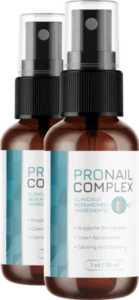
Can a meticulously crafted natural formula like ProNail Complex really support healthy toenails? Let's delve into its ingredients, benefits, and user reviews to find out.
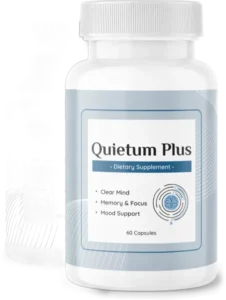


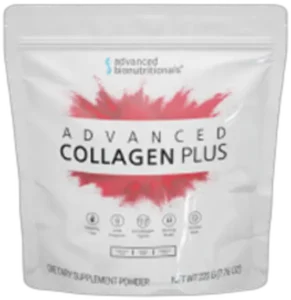
Does Advanced Collagen live up to its claims of improving skin, hair, and joint health? Let's dive into the ingredients, benefits, and customer reviews to find out.

Can Sumatra Slim Belly Tonic really help with weight loss? Let's dive into the ingredients, benefits, and potential drawbacks to find out.
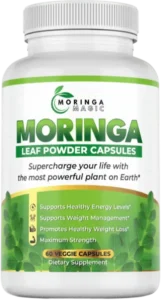
Is Moringa Magic the ultimate superfood supplement? With a plethora of health benefits claimed, it's time to delve into the science and separate fact from fiction.