
The Unseen Struggle: How Fitness Goals Clash with Nutritional Reality
Unraveling the counterintuitive link between exercise and nutrition, a deeper dive into the unseen challenges
The pursuit of optimal health often leads individuals down a path of self-supplementation, driven by the desire to fill perceived nutritional gaps or enhance physical performance.
However, a critical examination reveals that this trend is not without its risks, as the unregulated consumption of supplements can have far-reaching consequences for overall well-being.
The assumption that supplements are inherently safe or that their benefits outweigh potential risks is a misconception that warrants scrutiny.
In reality, the lack of stringent oversight and the variability in product quality pose significant challenges to consumers seeking to make informed decisions.
The historical context of nutritional supplementation is rooted in the early recognition of vitamin deficiencies and their associated health disorders.
As scientific understanding evolved, so too did the development and marketing of supplements aimed at addressing a broader range of health concerns.
Cultural perceptions of supplements vary widely, with some populations embracing their use as a preventive measure or therapeutic adjunct, while others remain skeptical.
The cultural narrative surrounding supplements is complex, influenced by factors such as media coverage, celebrity endorsements, and the proliferation of online health communities.

A closer examination of the supplement industry reveals a landscape characterized by a lack of standardization and inconsistent quality control.
The potential for adverse interactions between supplements and medications or other health conditions is a pressing concern that demands attention.
Furthermore, the risk of contamination or adulteration of supplements with unapproved substances underscores the need for heightened vigilance among consumers.
It is essential to recognize that the responsibility for ensuring safe and effective supplementation lies not only with manufacturers but also with regulatory bodies and consumers themselves.

The implications of unmonitored supplement intake extend beyond individual health, with broader societal and economic consequences.
The financial burden of supplement-related adverse events can be substantial, highlighting the need for cost-effective strategies that prioritize prevention and education.
Key takeaways from this discussion include:
National Institutes of Health (NIH)
Mayo Clinic
PubMed
Harvard Health
Unraveling the counterintuitive link between exercise and nutrition, a deeper dive into the unseen challenges
The Unseen Forces Behind the Erosion of Healthy Habits and What It Means for Your
Navigating the maze of nutritional recommendations: a quest for clarity in a sea of contradictions
Explore all our analyses in depth and check out the latest scientific discoveries and health highlights on our website.
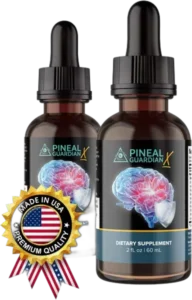



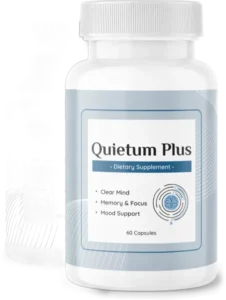

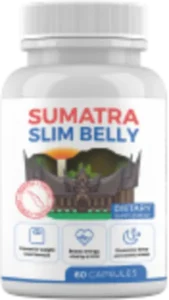
Can Sumatra Slim Belly Tonic really help with weight loss? Let's dive into the ingredients, benefits, and potential drawbacks to find out.
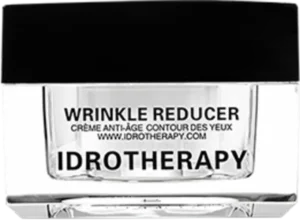
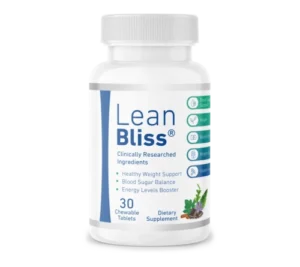
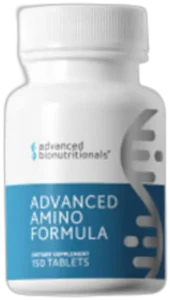
Does live up to its claims of reversing muscle loss and strengthening muscle? Let's dive into the ingredients, benefits, and customer testimonials to find out if this supplement is worth considering.

Can a meticulously crafted natural formula like ProNail Complex really support healthy toenails? Let's delve into its ingredients, benefits, and user reviews to find out.