
Uncovering the Hidden Consequences of Beauty Care Products
The delayed effects of certain ingredients can be detrimental to our overall health and well-being
For many women, their menstrual cycle is a monthly reminder of the intricate dance between hormones, nutrition, and overall health. Yet, the conversation around menstrual health often remains superficial, neglecting the complex interplay of factors that influence a woman’s reproductive well-being.
The stigma surrounding menstruation has long been a barrier to open discussion, leaving many women to navigate their cycles in the dark, without a clear understanding of what is happening within their bodies.
As we begin to peel back the layers, it becomes clear that menstrual health is not just about reproduction; it’s about overall wellness.
The physical and emotional symptoms associated with the menstrual cycle can be overwhelming, from debilitating cramps to mood swings, and yet, the solutions often presented are simplistic, failing to address the root causes.
The history of menstrual health is complex, with cultural and societal norms influencing how women experience and discuss their cycles.
In many cultures, menstruation has been stigmatized, viewed as a taboo subject, or associated with shame and secrecy.
This cultural context has contributed to a lack of understanding and education around menstrual health, leaving women to rely on anecdotal advice or quick fixes rather than evidence-based solutions.
The impact of this is far-reaching, affecting not just individual women but also the broader community.

At the heart of menstrual health is a complex interplay of hormonal, nutritional, and lifestyle factors.
Hormones such as estrogen and progesterone play a crucial role, influencing not just the menstrual cycle but also overall health.
Nutritional deficiencies, stress, and lifestyle choices can all impact hormone balance, in turn affecting menstrual health.
For instance, a diet lacking essential nutrients can exacerbate symptoms, while stress can disrupt the delicate balance of hormones.
Understanding these factors is key to managing menstrual health effectively.

The implications of neglecting menstrual health are significant, with potential long-term effects on overall well-being.
Women who experience menstrual irregularities or symptoms are at a higher risk of developing conditions such as osteoporosis or cardiovascular disease.
Furthermore, the emotional toll of unmanaged menstrual health should not be underestimated, with many women experiencing anxiety, depression, or feelings of isolation.
By prioritizing menstrual health, women can take control of their well-being, reducing the risk of these complications.
National Institutes of Health (NIH)
Harvard Health Publishing (Harvard Health)
Mayo Clinic (Mayo Clinic)
PubMed (NLM)
The delayed effects of certain ingredients can be detrimental to our overall health and well-being
The Unseen Forces Behind the Erosion of Healthy Habits and What It Means for Your
As we increasingly adopt habits that involve prolonged sitting, the implications on our health are
Explore all our analyses in depth and check out the latest scientific discoveries and health highlights on our website.



Can Sumatra Slim Belly Tonic really help with weight loss? Let's dive into the ingredients, benefits, and potential drawbacks to find out.
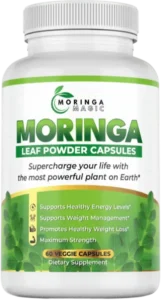
Is Moringa Magic the ultimate superfood supplement? With a plethora of health benefits claimed, it's time to delve into the science and separate fact from fiction.

Is Arctic Blast the solution to your chronic pain? Let's dive into the facts and separate the hype from the truth. With claims of being 500% more effective than painkillers, it's time to investigate.