
The Hidden Environmental Toll of the Fitness Industry
Uncovering the ecological footprint of weight management and exercise trends
The conversation around menstrual health is often shrouded in misconceptions, with many women unknowingly adhering to unsubstantiated claims that can impact their overall well-being.
One of the most pervasive myths is that certain foods can ‘cure’ or alleviate menstrual symptoms, a notion that oversimplifies the complex interplay between nutrition, hormones, and menstrual health.
Women often report feeling bloated, crampy, and irritable during their menstrual cycle, leading to a desperate search for quick fixes or miracle foods that promise relief.
However, the reality is that menstrual health is influenced by a multitude of factors, including hormonal fluctuations, nutritional deficiencies, and lifestyle choices.
The cultural significance of menstruation has been a topic of discussion for centuries, with various societies attributing different meanings and taboos to the menstrual cycle.
In many cultures, menstruation is still viewed as a source of shame or embarrassment, leading to a lack of open discussion and education around menstrual health.
This cultural stigma can have a profound impact on women’s perceptions of their own bodies and their ability to make informed choices about their health.
As a result, it’s essential to examine the historical and cultural context surrounding menstruation to better understand the complexities of menstrual health.

Research has shown that hormonal fluctuations during the menstrual cycle can have a significant impact on women’s nutritional needs and overall health.
For example, iron deficiency is a common issue for women during their menstrual cycle, particularly if they experience heavy bleeding.
Furthermore, the interplay between nutrition and hormones can affect menstrual symptoms, with certain nutrients playing a crucial role in regulating hormonal balance.
A deeper understanding of these complex interactions is essential for developing effective strategies to support women’s health during their menstrual cycle.

As women navigate the complexities of menstrual health, it’s clear that a more nuanced understanding of the interplay between nutrition, hormones, and lifestyle choices is crucial for empowering informed decision-making.
By acknowledging the multifaceted nature of menstrual health, women can take the first step towards reclaiming control over their bodies and overall well-being.
National Institutes of Health (NIH)
Harvard Health Publishing (Harvard Health)
Mayo Clinic (Mayo Clinic)
Uncovering the ecological footprint of weight management and exercise trends
Uncovering the truth about skin rejuvenation and the role of nutrition in achieving healthy, glowing
Challenging the notion that diet has a minimal impact on skin conditions, we explore the
Explore all our analyses in depth and check out the latest scientific discoveries and health highlights on our website.

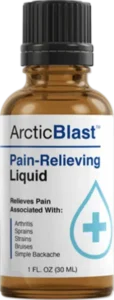
Is Arctic Blast the solution to your chronic pain? Let's dive into the facts and separate the hype from the truth. With claims of being 500% more effective than painkillers, it's time to investigate.

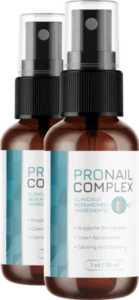
Can a meticulously crafted natural formula like ProNail Complex really support healthy toenails? Let's delve into its ingredients, benefits, and user reviews to find out.
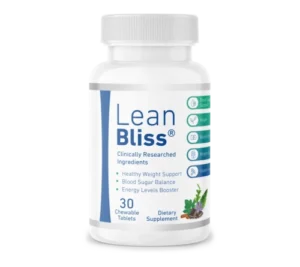
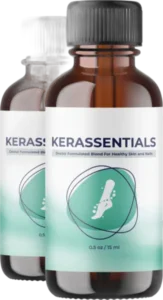
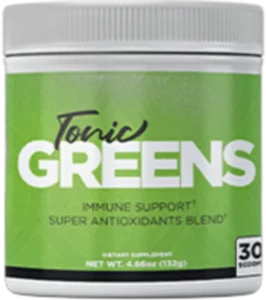
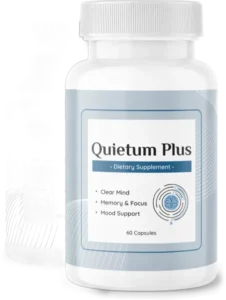
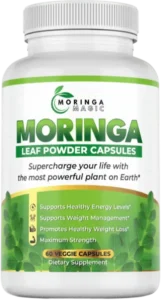
Is Moringa Magic the ultimate superfood supplement? With a plethora of health benefits claimed, it's time to delve into the science and separate fact from fiction.